
What are the Challenges of Revenue Cycle Management

You usually aren’t required to pay for the service in full at the time of visit when you visit a doctor. In certain cases, you may be required to pay a copay; however, the provider will need to obtain payment from the insurance company in full. In certain cases, a charge may arrive weeks or even months after a service is provided. Efficient billing and payment processing is guaranteed by a strong revenue cycle management procedure. It is a challenging task for medical clinics to implement revenue cycle management (RCM). Learn more about some of the typical issues with revenue cycle management that medical practices deal with, as well as how your office can resolve them, by reading on. Here are some of the challenges related to revenue cycle management: 1. Collecting payments in a timely manner Receiving compensation soon after services are rendered is one of the largest problems providers encounter. Indeed, almost fifty percent of executives in the healthcare industry recently concurred that the largest obstacle facing their operations is being paid. Patients are expected to pay for more out-of-pocket expenses in the age of ever-rising deductibles, and that can be difficult at times. Accordingly, a 2017 study discovered that 68% of hospital patients with invoices under $500 failed to pay the entire amount owed. It’s far more difficult to maintain seamless operations when money doesn’t flow into your practice fast. 2. Spending too much time on revenue cycle management The goal of medical practices is to enable individuals to live longer, healthier lives. In order to carry out their objective, they are also involved in revenue cycle optimization. Practices frequently lack the equipment and resources required to handle RCM efficiently. As a result, team members end up devoting far too much time to RCM rather of allocating their energies to other crucial operational areas. 3. Dealing with too many coding errors Practices lose time and money as a result of coding errors, which include upcoding, unbundling codes, using modifiers inappropriately, and using unlisted codes without proper documentation. Providers frequently have to deal with a high volume of claim denials when they continue to use an antiquated method of revenue cycle management. Expenses mount up when those rejections are managed manually. 4. Lacking deep insight into the revenue cycle Many healthcare professionals struggle to gather the information they require to decide how to proceed and make sure their RCM strategy is the appropriate one. Complete revenue cycle visibility and KPI measurement, such as cost to collect, claim rejection rate, and percentage of cash collection from net revenue, are achievable with the appropriate technologies in place. Practices may keep improving these KPIs over time, which will strengthen the RCM engine over time. 5. Advancing interoperability between clinical and financial systems In the contemporary healthcare setting, data interoperability is the cornerstone of success. A single patient can interact with over six health IT systems during a specialty healthcare interaction, including electronic medical records, digital drug dispensing platforms, specialized imaging and radiation therapy applications, and clinical laboratory and pharmacy solutions. These platforms all record a staggering amount of clinical activity. Accurate documentation of the reimbursable services rendered and a thorough, current picture of the patient’s clinical status depend on systems interoperability. It is imperative for specialty providers to provide a data infrastructure that facilitates the seamless coordination of clinical activity collection, gives doctors a comprehensive understanding of the patient’s condition, and guarantees the right integration of relevant financial data into business office operations. This smooth approach to interoperability can support some of the essential roles specific to specialty care, like basing future appointments for patients on the completion of regimen-driven clinical milestones or taking prior authorization requirements into account when creating a treatment plan. 6. Ensuring complete and accurate charge capture Charge capture, coding, and billing accuracy are best achieved when clinical and financial environments are interoperable. Practices need automation to make sure that medical claims have enough information about a patient’s diagnoses and treatments to be eligible for the right compensation because numerous systems create the information needed to handle extremely complicated medical cases. What to Look For in a Revenue Cycle Management Partner An increasing number of medical practices are investing in revenue cycle management solutions that are specifically designed to address these issues. Proven software Purchasing strong medical billing software makes it much simpler to handle insurance eligibility checks, process claims, and automatically notify patients when payments are due—all without requiring a lot of human labor. RCM services It could be better to outsource these duties to a third party rather than handle the revenue cycle internally. With the proper partner, you may get direct access to a team of billing experts and boost your clean claims percentage to up to 99 percent. A track record of success Examine customer reviews of each supplier as you start to reduce your options. Finding the industry’s established leaders and those who are trailing should be simple.
Exploring the benefits of computerized medical billing
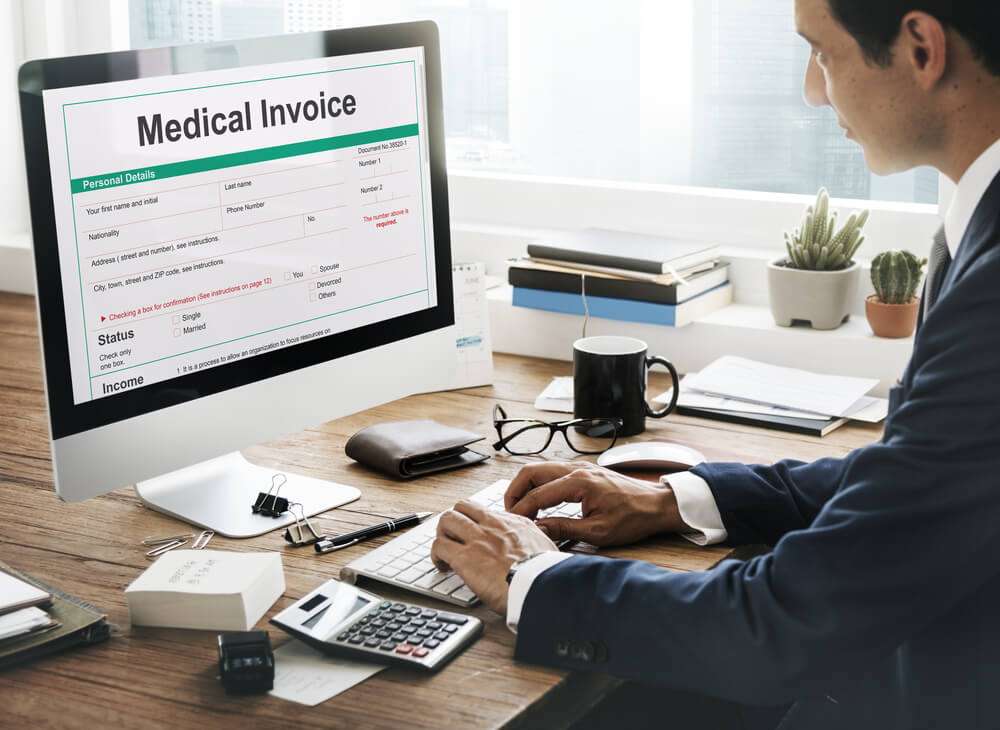
Both patients and healthcare providers may find the medical billing procedure to be an absolute nightmare. Paper invoices can quickly accumulate, take up room, and even postpone payment. Electronic billing can come to the rescue in this situation.The use of computrized medical billing is more effective and straightforward. Continue reading to find out how medical billing software can save the day when it comes to processing medical bills. 1. Increased Billing Transparency and Clarity The clarity and detail of electronic medical billing systems are superior than paper billing. Patients who get electronic billing can view their bill information via easy-to-use web sites. These portals offer detailed cost and service breakdowns without the inconvenience of printing a dozen or more papers. Transparency in billing minimizes the time spent by medical staff on patient questions and disagreements. Clearly worded, comprehensive statements address frequently asked questions right away. Additionally, it streamlines the billing administration procedure, which facilitates healthcare providers’ ability to monitor payments and modifications. 2. Faster Billing and Payment Processing The patient experience is enhanced by the speed at which payments are processed by electronic billing systems. Patients may become anxious if traditional billing processes take weeks or months to resolve. It’s critical that patients understand their financial responsibilities. When people are unaware of their out-of-pocket expenses, they frequently become irate. Real-time account updates, indicating payments and modifications, are provided via electronic medical billing systems. Patients can settle their accounts faster and with less effort thanks to this quick processing. Patients can better organize their money with this clarity, which lessens the anxiety that comes with unforeseen medical costs.Additionally, staff members can concentrate more on patient care when administrative tasks are automated. Healthcare providers benefit from increased cash flow and financial stability as a result of this efficiency. 3. Improved Billing Accuracy For patients who are already juggling the complexity of medical treatments, accurate billing is essential. Because human error is decreased by the electronic medical billing process, there are fewer overcharges and inaccurate billing. Patients receive accurate and reasonable invoices thanks to automation. Dispute resolution is facilitated more quickly by electronic billing systems. You can swiftly review and edit electronic records using the site. Additionally, electronic medical billing guarantees reduced operating expenses and more accurate billing. Revenue cycle management is improved by automating the conversion of clinical services into billing codes, which minimizes disparities. Less need for reconciliations and billing corrections means lower costs for the staff. 4. Convenient Payment Options Patients have a variety of payment choices thanks to electronic medical billing software. Online bill payment via credit card, bank transfer, or customized payment plans is made possible by digital systems that interface with different payment processors. Patients can pay whenever and wherever they choose thanks to this ease. Most patients now pay their medical bills online (62%) according to an Advisory Board survey. Furthermore, the same proportion of people favor online payment methods. Automated payment systems expedite the entire payment process, from submission to reimbursement, and minimize errors caused by manual entry. This improves patient satisfaction overall and boosts staff productivity. The reputations of healthcare facilities are enhanced by seamless and effective payment procedures, which help reduce complaints and disputes. 5. Enhanced Patient Knowledge There is more to electronic medical billing than meets the eye. It is an effective instrument that gives individuals the power to manage their healthcare costs in addition to guaranteeing clarity, speed, accuracy, and convenience. Patients can make better decisions about their healthcare by having easier access to and visibility into their financial information thanks to electronic billing. Patients can better prepare financially and feel more at ease by anticipating future medical bills with round-the-clock access to their payment history and expenses. From the standpoint of the medical team, this greater patient involvement results in more productive exchanges and seamless operations. When patients are able to take care of little problems on their own by using the online portal, staff members may focus on more important tasks and provide better patient care. 6. Powerful Analytics and Reporting Real-time data analysis to detect charging patterns is provided by digital billing systems. These medical practice tools offer a dynamic perspective into operations, indicating areas for efficiency and optimization, rather than merely crunching numbers. Staff members have access to a thorough picture of billing operations thanks to analytics and reporting tools. They are able to forecast cash flow and ascertain payment trends, which are critical markers of a facility’s financial stability. Healthcare providers may estimate revenue, find inefficiencies, and customize services to fit patient needs with the use of these information. Conclusion The switch to electronic medical billing results in a substantial reduction of paperwork. Without having to deal with paper paperwork, patients can enjoy an easy billing procedure. Removing paper-based methods from your clinic will reduce the amount of physical storage space required. Electronic billing solutions not only save space but also have a positive environmental impact, helping to create a more sustainable and greener future.
How to Choose the Right Billing and Credentialing Services for Your Needs

A big decision must be made when selecting the top medical billing provider for your business. Medical billing has the power to make or ruin your business, which explains why. Revenue loss, administrative headaches, and other problems could arise from working with the wrong company. By choosing a reputable billing and credentialing services provider, clinics can boost their revenue while offering patients more options for care. You can get help from the appropriate billing service provider! Selecting the best option is not always easy. Not every medical practice can benefit from the services offered by the many companies that offer medical billing services. What Kind of Things Ought Practitioners to Search For? Several factors should be taken into account when choosing a billing and credentialing service to partner with before making your choice. Here are a handful of them: 1. Size of Medical Billing Companies The first step in your inquiry is to determine which medical billing business best meets the needs of your clinic. Diverse medical billing organizations sometimes have varying specializations. huge practices with a huge list of physicians, many insurance carriers, and a broad spectrum of medical specializations are the ideal fit for certain firms. Conversely, certain companies exclusively serve tiny practices with a limited workforce. These teams usually have little funding and don’t take as many different kinds of insurance. When choosing the best medical billing business for your clinic, take into account the following factors: 2. Recognize Every Service’s Complete Cost Medical billing costs need to be transparent. Billing and credentialing services can be costly, but they should also increase your income and help you save money. Understanding what you get from medical billing services and what you get with your services is crucial. Typically, medical billing businesses charge in several ways: 3. Verify Promises of Privacy Strict compliance rules and regulations are applicable when doing medical billing and coding jobs because of the extremely sensitive nature of the healthcare industry. The success of any healthcare practice depends on adhering to all compliance rules. Small businesses need to make sure all state and federal laws are followed when providing their services. Some suggestions for picking the most appropriate medical billing business based on payment are as follows: 4. The Credibility of the Research Firm A company’s reputation is very important in the medical billing industry. Companies need to be able to rely on the providers of their data storage. Very sensitive information, including financial and patient details, may be contained in this data. It is essential to confirm that the source is reliable and has produced high-quality work in the past before giving this kind of information. Another strategy is to get testimonials about the medical billing service provider’s performance from previous or present clients. 5. Perfect Billing and Credential Services Medical billing businesses have a significant impact on the success or failure of independent medical practices. Inappropriate use of revenue cycle management systems can cause a healthcare practice to lose money, deal with bureaucratic nightmares, and face other serious problems. The right medical billing company can help healthcare practitioners increase patient care options while also improving their bottom line. Choosing a business that offers the following is all that is required: All the time Medical Billing Services is pleased to offer medical billing services to practices and clinics looking to grow and enhance patient care. Other Important Points for the Right Billing and Credential Services When visiting medical billing companies, look for the following three things: Conclusion If you work as a doctor or other health care professional and are unsure about how to choose a reputable medical billing business, this list of the top options is just for you. Finding a reliable and respectable partner to reduce your financial and medical billing issues, improve cash flow, and guarantee the security of private medical information may all be accomplished by using our advice. Choose the best billing and credentialing services by following these tips.
Are Medical Coding Services Worth the Investment?

For a wide range of professionals, launching a medical billing business can be a fulfilling and profitable option. You can launch an independent or at-home business if you already possess medical billing and coding certifications or are working toward obtaining them. Another way to launch a business is to assemble and train a group of experienced billers. In any case, the medical billing sector is full of potential and is expanding annually. In addition, it takes money, time, and effort to launch a medical billing company if you are thinking of investing in a medical coding service. Making sure it’s the right fit for you should come first! Learn the procedures for setting up a medical billing and coding firm if you’re thinking about launching your own medical billing company. Identify the Marketplace Being informed about the medical billing business is the first step towards launching your own. This will provide you with more assurance that you are entering the correct business and that there will be a need for your services. Analyze the market whether you should invest in medical coding service or not. This is an excellent moment to launch a medical billing business. Over the next few years, the market is anticipated to increase as more practices weigh the benefits of outsourcing their medical billing. The increase of medical billing jobs is expected to be 15% between 2014 and 2024, which is substantially faster than the growth of jobs nationally. There is a great chance for you to grow your business in the next years because medical billing services are in higher demand than before. To begin, Do Comprehensive Market Research You’ll get a general idea of the medical billing and coding sector from this. Investigate your rivals as well. Investigate local alternatives for outsourcing medical billing services. Examine their clientele to determine if any new clients will require your services. You can also get in touch with nearby medical facilities. Inquire about their requirements for medical billing. Are you currently outsourcing, for example? Would they eventually think about outsourcing? This will enable you to comprehend the demand for outsourced billing services in your community. Examine Smaller Industries Next, go further into the many subsectors within the medical billing industry. As an illustration, the following categories of medical billing positions are in great demand: Keep in mind that every medical subsector will have unique policies and procedures regarding billing and coding. You should have a better understanding of the demand in the local market for your services as a result of this study. Obtain Certification in Medical Billing It will be necessary for you to participate in a training course if you do not currently possess your medical billing qualifications. Proficiency in billing medical practices and handling insurance claims is essential for those aspiring to become medical billers. This is crucial since medical practitioners will be entrusting you with handling their revenue management! You can sign up for online or in-person classes to earn certifications. This can usually take you a year or longer to finish. You will also need to pass exams administered by prominent medical associations, like The American Medical Billing Association. Furthermore, you ought to work for certification from the American Academy of Professional Coders if you wish to become a medical coder. Make a Plan for Your Business Creating a business plan is crucial when launching a medical billing enterprise. You should think carefully about what medical billing services you want to specialize in so that you can easily bring on new clients. Consider the criteria your target audience will use to select the top medical billing provider. When you first start, for example, ask yourself the following practical questions for medical coding service: Before beginning, it is crucial to consider each of these queries. Putting your company in the best possible position to meet the demands of doctors by organizing it practically will help you succeed in the long run. Conclusion Medical coding service can be managed in a variety of ways, including paper-based and electronic methods. Given how quickly technology may change in the medical billing sector. You will still need to collaborate with a clearinghouse to finish your billing process, even after you’ve bought and mastered your billing software. An organization known as a clearinghouse serves as a “middleman” between the insurance company and the medical biller.
What Are the Benefits of Using Billing and Credentialing Services?

Credentialing providers with payment insurers is the first step before opening a healthcare institution. The satisfaction of payor requirements is necessary for the providers’ practice to be successfully registered on the front-end panel of insurance payors. Developing and maintaining a long-term relationship with insurance companies and patients is the primary duty of billing firms. In addition to obtaining greater insurance provider payment rates, this aids providers in maintaining their focus on offering patients high-quality care. Here are some most important benefits of billing and credentialing services that you need to know. What Advantages Does a Physician Have When They Contract Out Their Medical Billing Services? Provider certification makes it simple for patients to access streamlined medical specialties. It boosts the credibility of providers in the eyes of patients and payors, which leads to speedy payment processing and high claim acceptance. Additionally, it presents beneficial prospects for the medical practice, such as lowering frequent claim denials, resolving denials, and eliminating unnecessary costs. Additionally, it presents beneficial prospects for the medical practice, such as lowering frequent claim denials, resolving denials, and eliminating unnecessary costs. Read this article to gain information about billing and credentialing services, and it will also help you to know why these services are important. Satisfy Compliance Conditions A medical practice that complies is acutely aware of the most recent laws and guidelines about healthcare. Along with other advantages like these, this aids doctors in establishing trusting relationships with both patients and payors. Enforcing compliance laws in a care facility guards against dishonest practices including undervaluing providers’ specializations and storing data insecurely. By obtaining credentials, your medical practice can become compliant with the most recent versions of the HITECH and HIPAA acts, allowing you to access electronic health records (EHRs) and communicate patient information with consent. Make Continual Follow-Ups The majority of providers who provide hundreds of medical services are covered by the healthcare sector. Because it is a huge and unpredictable industry, healthcare presents a gateway to hazards such as abuse and fraud. Following up with providers frequently enables them to continue refining their medical practices in compliance with payor criteria. Enrolling with the insurers facilitates one-on-one communication between insurance personnel and third-party experts, which expedites the processing of claims. Providers to Enroll with the Highest Payors Obtaining maximum payor accreditation for your practice is crucial if you want to enhance your standing in the value-based healthcare system. Patients now frequently overlook the non-compliant providers as more and more join the payors’ front panel. Credentialing is done to make sure a provider may be paid right away for the services they render. It shortens the time between payment processing and permits the claim to be processed instantaneously. Reach your highest level of revenue and profitability by signing up with as many insurers as possible. Receive Payments from Insurance Companies Quickly To receive the most compensation, a provider must obtain credentials as quickly as feasible. The provision of healthcare facilities by the most recent credentialing requirements is demonstrated by credentialing services. Your revenue is protected from possible losses such as unexpected lawsuits and payment denials. The credentialing specialists maintain a close eye on legal proceedings and ensure that providers’ credentials are up to date and in compliance with payor requirements. In addition to defending the practice against payment disputes, this enables providers to respond to any legal inquiries. Data is updated in conjunction with the Payors The proper accreditation of providers’ data records guards against behaviors misusing important data. This is a useful tool for monitoring inaccuracies in medical records, improper handling of financial credentials, and intricate billing patterns. Credentialing enables providers to update their data to the requirements set forth by the payor. By doing this, the number of errors and problems with claim acceptance for reimbursement of payments will be reduced. Obtain Additional Patient Referrals Before scheduling an appointment, patients quickly determine whether the specializations of the providers are legitimate. The providers might increase their credibility as compliant healthcare organizations by outsourcing credentialing services. This enables people to trust your medical practice with confidence and continue to be happy with the outcomes. Providers can maintain patient attraction while optimizing patient retention in this fashion. Conclusion In the healthcare sector, billing and credentialing services are vital. Examining and evaluating the qualifications, permits, and experience of healthcare practitioners is a step in the procedure. By doing this, we can make sure they adhere to the requirements needed to join insurance networks. Raising the bar for excellence in nursing and other fields can help your healthcare company as a whole. Courses offering methods and best practices for overcoming typical workplace obstacles will be helpful to all employees, including leadership.
What Are the Benefits of Medical Coding Services?

Healthcare cannot fall behind as technology increasingly permeates every aspect of core business operations. In fact, it’s safe to say that one of the best and most in-demand career paths available to people in this day and age is in the healthcare industry. In today’s healthcare system, patients are not only treated by doctors. It extends much beyond that. The most important elements of a healthy healthcare system are administrative duties like medical billing and coding. This has created a wealth of opportunities in the medical coding service, which has experienced an unprecedented boom in the last few years. Hospitals and small clinics that provide healthcare are always searching for qualified Medical Coders to work in this fast-paced field. What is Medical Coding? Medical coding is the process of translating prescribed medical equipment, diagnoses, and treatments into generally understood medical alphanumeric codes. The need for medical coders is growing as the healthcare industry continues to innovate and find new methods of providing care. Healthcare providers are constantly searching for qualified coders since rapid claims processing is essential to timely insurance company payouts. It isn’t limited to candidates running in cities anymore. What is the Necessity for Medical Coding? The documentation of the decisions, actions, and lessons learned forms the foundation of the healthcare income stream. It is necessary to record a patient’s diagnosis, test findings, and course of therapy in order to ensure future visits will result in high-quality care as well as compensation. Personal health records are important since they follow a patient through complaints and treatments in the future and need to be easily comprehensible. Given the hundreds of millions of visits, surgeries, and hospital stays that occur in the US each year, this is particularly crucial. Thousands of ailments, diseases, wounds, and causes of mortality present a problem, though. Thousands of services are rendered by providers, and there are an equal number of injectable medications and supplies that need to be monitored. Medical coding service is the growing profession. How Does One Become a Coder for Medicine? Anatomy, physiology, medical procedures, and payer policies are all knowledge bases for successful medical coders. You need to enroll in a college or training program focused on medical coding in order to become a medical coder. After that, having a professional credential—like an AAPC—makes it simpler to get employment in the industry. Various medical coding certificates are available, contingent on the revenue cycle specialty you intend to pursue. The Certified Professional Coder (CPC), which attests to a coder’s suitability for employment in outpatient settings, serves as the standard for the majority. For inpatient coding, facility coders should obtain the Certified Inpatient Coder (CIC) credential, and for hospital patients receiving in-and-out services, the Certified Outpatient Coder (COC) credential. A potential career in medical coding service is also anticipated for applicants from these locations, as training programs are offered in many rural places. These advantages make medical coding an irresistible job option if you’re thinking about it but are still hesitant: The Need for Qualified Medical Coders Is Great Employers continue to seek out experts who avoid errors, despite the increased need for medical coding expertise. A certification can serve to emphasize this trait. Employers find certified applicants to be excellent because they are knowledgeable about all the latest requirements and meticulous in their attention to detail. Competitive Salary Structure With a good package and the potential to advance in their career quickly, medical coding training is a great option for both seasoned programmers and fresh aspirants. Medical coders might think about taking any of the several additional career-focused medical coding courses that are offered online. Gaining these certificates will greatly advance your career. A Secure Career Path Medical coding offers a more steady employment option with less potential for unanticipated volatility than some of the other healthcare-related career options. Obtaining certificates on time will help you maintain a solid career and keep up with the current developments. Options for Working Remotely Additionally, remote employment will be an option for specialists in medical coding. To stay in contact with their team, all they need is an active internet connection. They are able to finish their task from anywhere in the globe. Conclusion Medical coding is the process of converting medical equipment, services, diagnoses, and procedures into universal medical alphanumeric codes. Diagnoses and procedure codes are derived from medical record documentation, which includes lab and radiologic results, physician notes transcriptions, and more. Medical billing involves abstracting information from documents, assigning the relevant codes, and preparing a claim that must be paid by insurance carriers. Medical coding specialists assist in making sure the codes are applied correctly during this process. This is where medical coding careers come to shine. It’s never too late. Enroll in a medical coding course to earn your certification as a medical coder, and provide medical coding service which is highly sought after by companies.